Can Landlords Trust AI for Tenant Screening?
Can Landlords Trust AI for Tenant Screening?
If a computer picks your tenants and it picks wrong, your name is the one on the complaint. HUD stepping back in January didn't change that.
Screen your applicants with AI, and it'll hand you a score, maybe a clean approve-or-deny. What it won't hand you is any of the responsibility for what you do with it. That part is all yours, and a lot of owners are about to learn that the hard way.
Quick disclaimer: we're not attorneys, and this isn't legal advice. Fair housing law is federal, state, and sometimes local. The only person who can tell you how it applies to you is a lawyer where you own property.
Here's what's got people relaxed. Back in January, HUD proposed dropping one of its own rules. The rule has a technical name, disparate impact, but the idea is simple: you can break the law without meaning to, if the way you screen ends up shutting out one group more than another. You don't have to intend it. The result is enough.
If a computer is screening your tenants, that's the risk that's always been hanging over you. So when HUD started backing off, plenty of owners relaxed.
They relaxed too soon.
HUD stepped back, not the law. When you actually read HUD's proposal, it doesn't declare these claims dead. It says the agency wants to stop writing the rules for them and leave the question to the courts.
Which would matter a great deal if the courts hadn't already spoken. But they have. In 2015, the Supreme Court held that these claims are valid under fair housing law, and nothing about a HUD proposal in 2026 disturbs a Supreme Court decision from 2015. An agency can put down its rulebook. It cannot repeal a ruling from a court above it, and it certainly can't repeal an act of Congress.
So, what left the room in January was one agency's regulations. What stayed was the statute, the Supreme Court, every state's own fair housing law, and every person with standing to file a complaint. That last group is the one that matters most, and it was never HUD to begin with. The complaints that reach landlords come from tenants, from their attorneys, and from fair housing organizations that test rental operators for a living. None of them lost a thing this year.
The machine carries a hidden bias. This is the part that catches conscientious owners, the ones who would never knowingly discriminate against anybody.
Think about what a screening tool actually is underneath. It's a system trained on records of who got approved and who didn't, going back years. The history of housing in this country is not clean, and a tool that learns from that history absorbs its shape. Nobody coded prejudice into it on purpose. It simply reflects the numbers it was fed, and the numbers carry the past inside them.
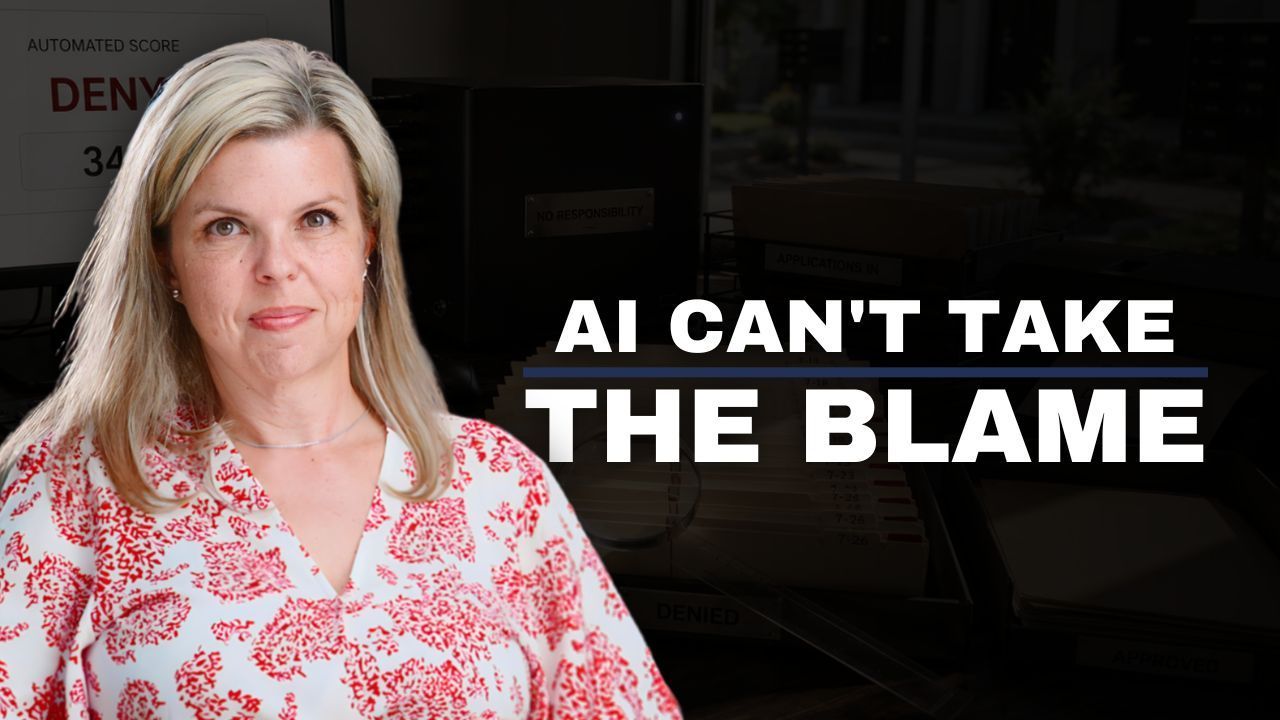
"Using AI doesn't move the responsibility anywhere. It stays with you."
The dangerous part isn't the bias itself. It's that you can't see it operating. The software returns a score or a recommendation. It doesn't hand you a report on who it rejected, and it certainly doesn't tell you whether the people it rejected happen to resemble one another. You could run a tool for two years, believing you're being perfectly even-handed, and never notice the pattern forming in your own approvals. The person who notices first is usually the one filing the complaint.
And HUD, back in 2024, said as much about these tools out loud, warning that fair housing law applies to screening even when a machine performs it. That guidance now sits in HUD's archive and may eventually vanish altogether. It doesn't matter. The guidance never created the obligation. It only described one that already existed, and describing it or not doesn't change whether it's there.
Focus on what you control. So, set the headline aside, because it was never the real story. The real story is that responsibility for a screening decision sits with the person who made it, and using AI doesn't move that responsibility anywhere. It stays with you, which means the useful work is the work you can actually do.
Know your own standards well enough to state them. Apply them the same way to every applicant who walks through the door. Be able to explain, for each criterion you use, why it genuinely predicts whether somebody will pay the rent and honor the lease. And look at the pattern in your own decisions before somebody outside your operation looks at it for you.
That's not a small job, and it's not one the software does for you. It's most of what a good manager does, and it's the difference between using an AI tool and handing it a decision that was yours to make.
Call or text us at
(602) 581-3658, email us at
info@patpm.com, or visit
patpm.com. Send us the criteria you screen on, and we'll tell you honestly which parts we'd want a lawyer to look at before you run another application.
Share this post